Samara Aerospace is revolutionizing satellite design with our innovative Hummingbird satellite bus.
Our work
What We Do
Samara Aerospace builds high-performance satellite platforms.
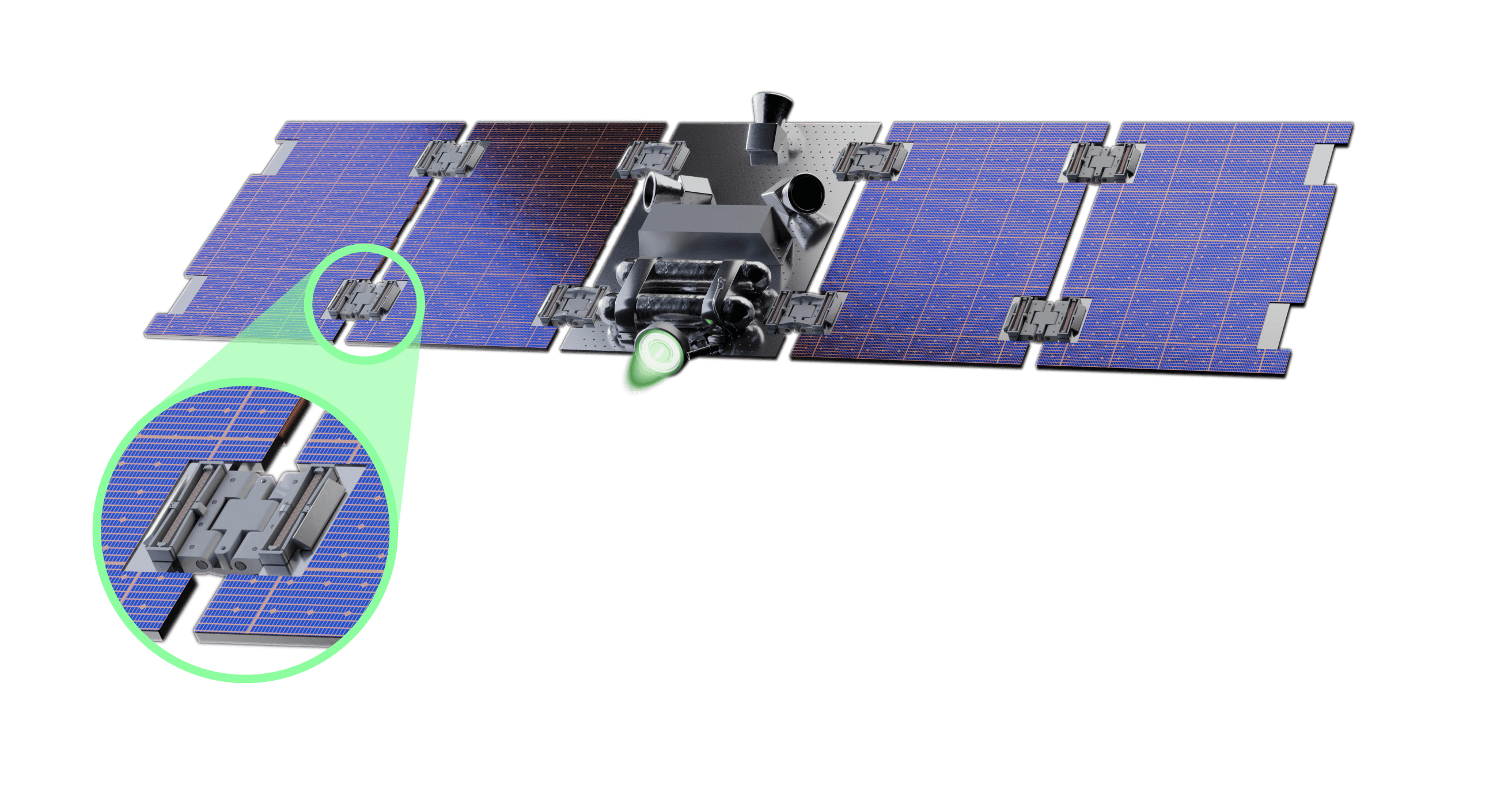
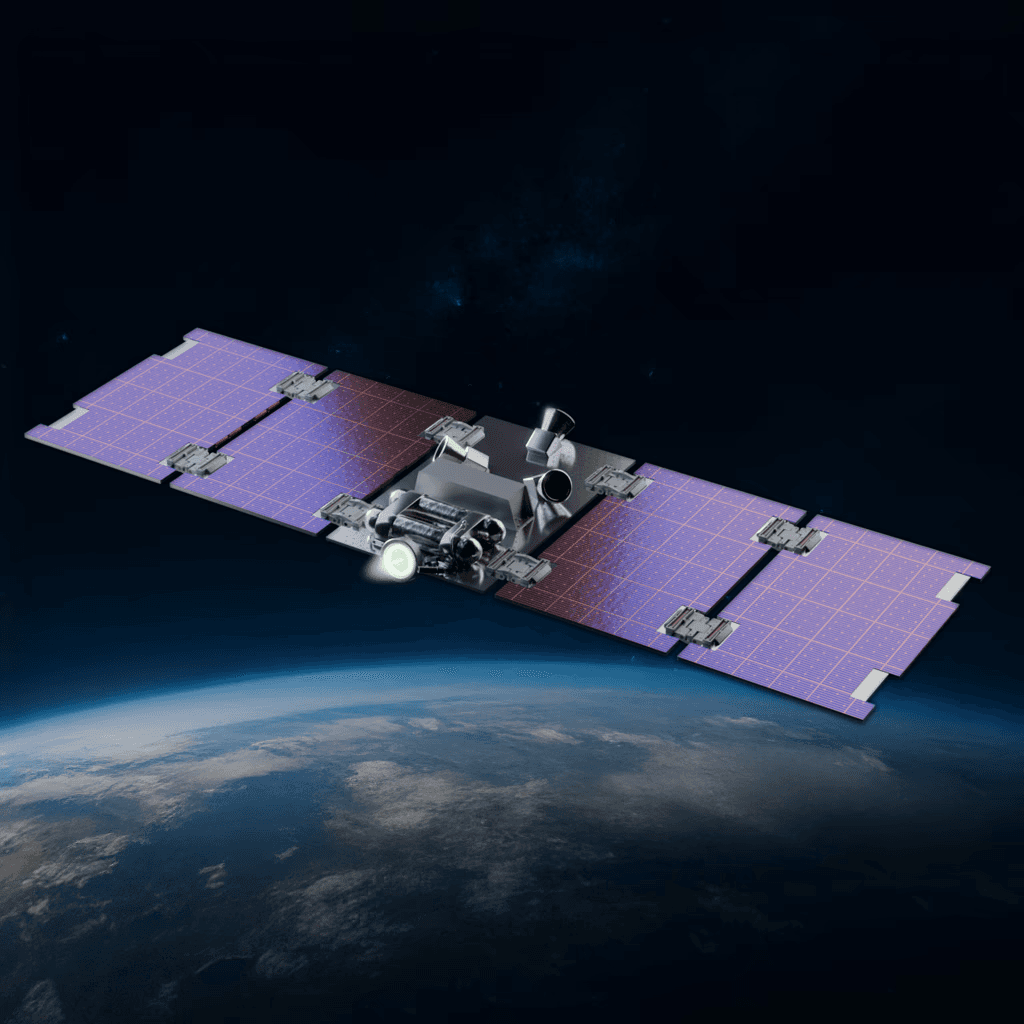
Our Hummingbird satellites are designed to deliver exceptional pointing stability, agility, and available power in a compact form factor, enabling missions that are difficult or impossible with traditional satellite architectures.
By integrating control authority directly into large deployable structures, Hummingbird satellites achieve precise maneuverability without sacrificing payload size or power generation. The result is a flexible spacecraft platform built for demanding commercial, civil, and national security missions.
Our origin
How we started
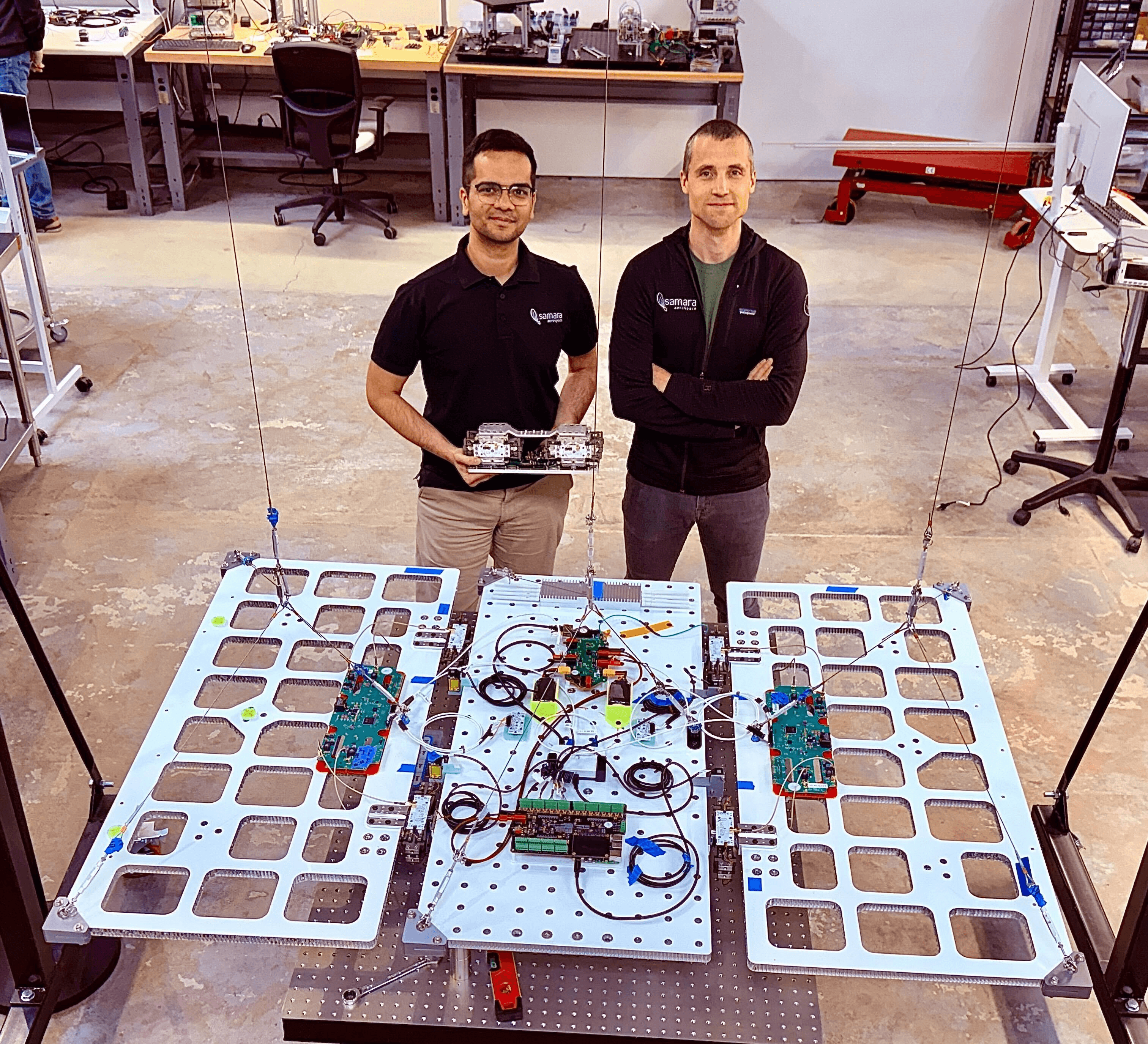
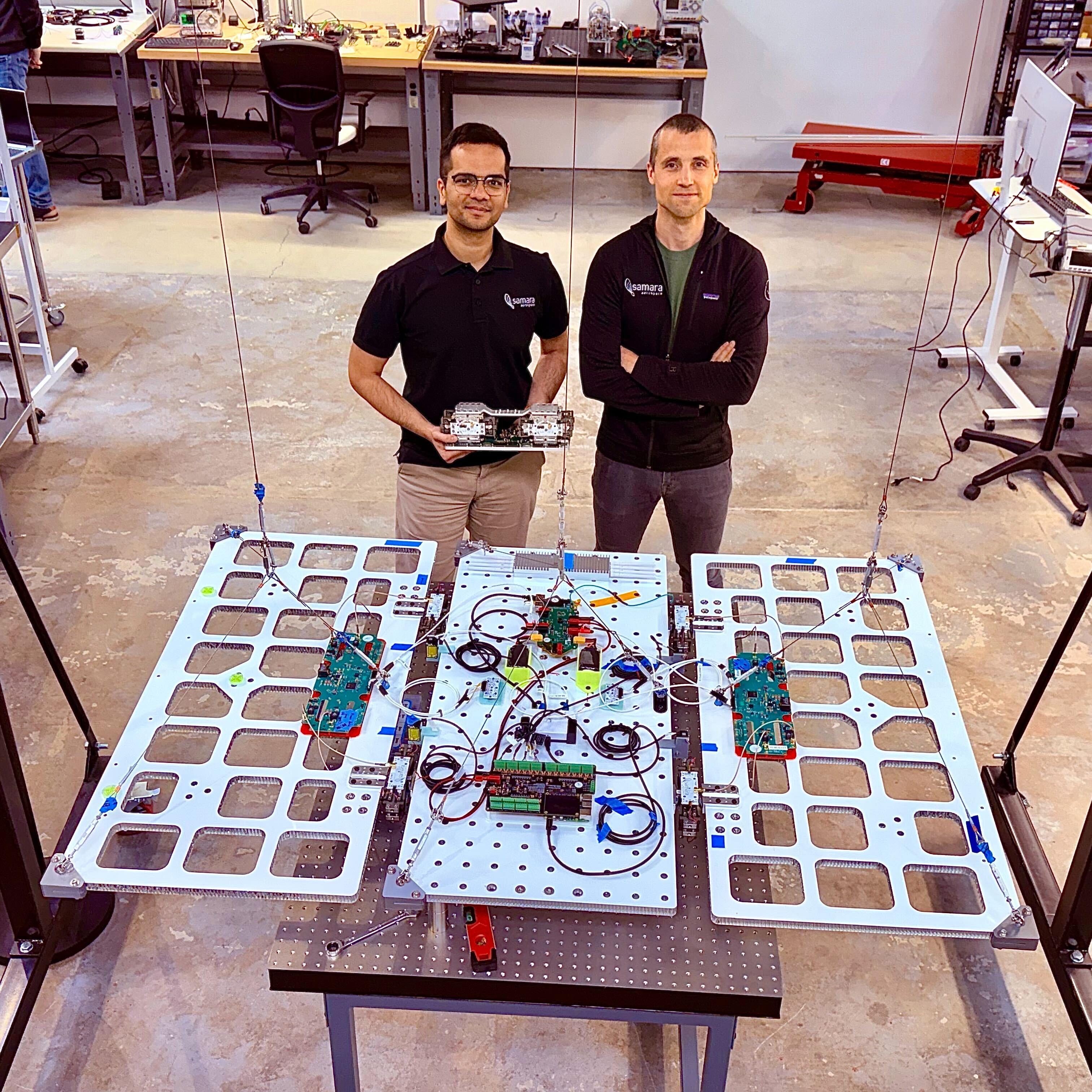
Samara Aerospace was founded by Patrick Haddox and Vedant (who uses a single name) after meeting in the Aerospace Engineering department at the University of Illinois at Urbana-Champaign.
While working together on the university’s CubeSat program, Vedant developed a new approach to spacecraft attitude control that would later become the foundation for Samara’s core technology, MSAC.
What began as an academic innovation quickly revealed much broader implications for how satellites could be designed and operated.
Patrick and Vedant then formed Samara Aerospace to bring the new technology to market. The company began with bootstrapped development, building early CubeSat-scale prototypes from home offices. With the invention in hand and a clear vision for a new class of satellites,
Samara was created to translate that breakthrough into operational spacecraft, starting with the Hummingbird platform
Our name
Why ‘Samara’?
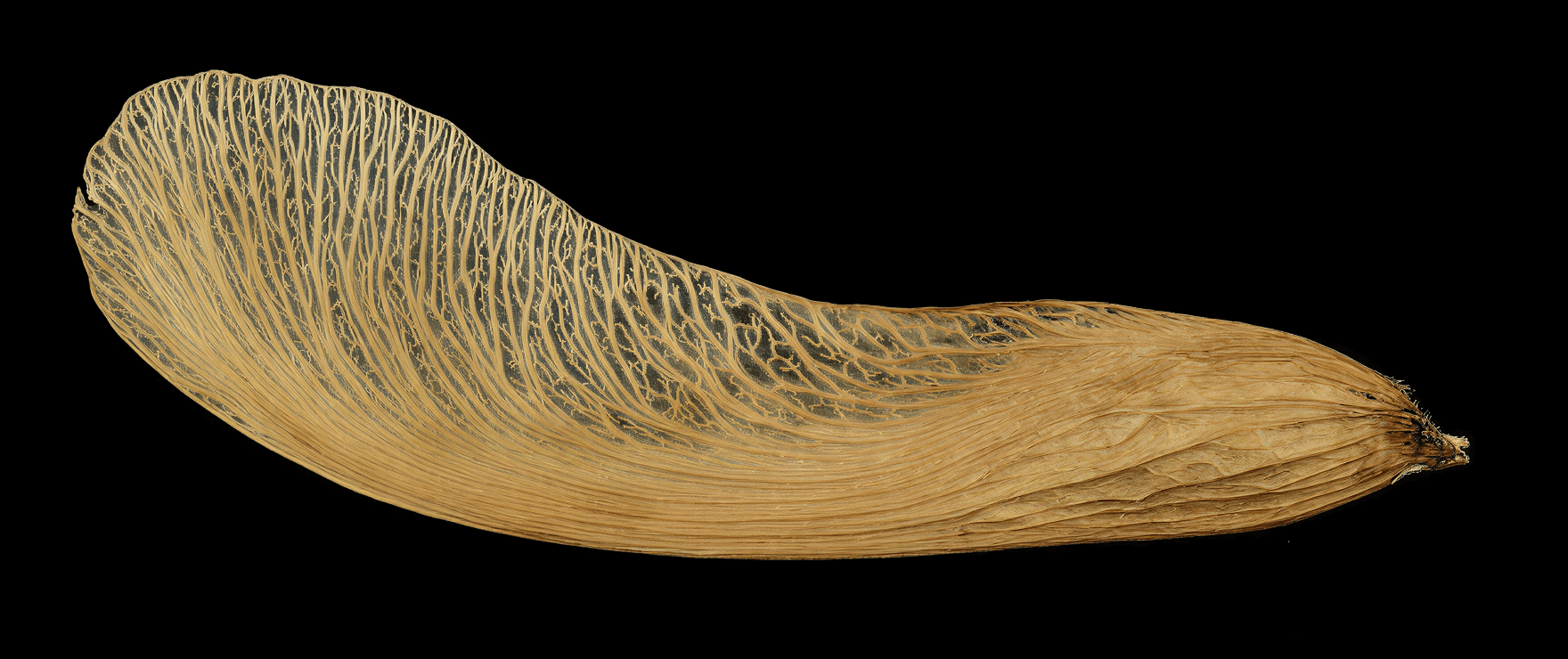
Our name comes from the winged seeds produced by several species of trees, including maples. Often referred to as “helicopters” or “whirlybirds,” they spin as they fall, using passive aerodynamics to slow their descent and travel farther on the wind. These seeds are called samaras.
The concept reflects our design philosophy. Like the namesake seeds, Samara’s spacecraft use their deployable “wings” to achieve stable, efficient rotations through elegant engineering rather than brute-force complexity